


Breast engorgement is when your breasts become overly full, tight, and sore, usually in the first week after birth, when your milk first “comes in.” It is very common, and for most mums it settles within a day or two with simple care at home. This guide explains why it happens, what you can do today to feel better, how to tell it apart from a blocked duct or mastitis, and when a professional lactation massage in Singapore can speed things up.
What breast engorgement is
In the first few days after giving birth, your body switches from making small amounts of colostrum to making mature milk. Blood flow and fluid to the breasts also rise. All of this can leave your breasts feeling swollen, hard, warm, and tender. That is engorgement.
Mild fullness is normal and even a good sign: it means your milk supply is building. It becomes a problem when the breasts get so tight that they hurt, or when your baby finds it hard to latch. The discomfort can range from a mild ache to a feeling that your breasts are hot, throbbing, and stretched to their limit.
What it feels like
You may notice one or more of these:
- Breasts that feel hard, full, or “stretched”
- Tenderness, throbbing, or warmth
- Flattened, tight nipples that make latching tricky
- Mild swelling that can reach up toward your armpit
- A slightly raised temperature in the breast area
- Shiny or tight-looking skin over the breast
Engorgement usually affects both breasts at once. If only one spot is painful and red and you feel unwell, see the red-flags section below, as that pattern points to something else.
Why it happens
The most common reasons are:
- Milk coming in around day 2 to 5 after birth, when supply ramps up quickly.
- Missed or spaced-out feeds, so the milk is not being removed often enough.
- A baby who is not latching well, so the breast does not drain fully.
- Sudden changes, such as your baby starting to sleep longer through the night.
- Weaning too quickly, which leaves milk sitting in the breast.
- Going back to work or being away from your baby without expressing in between.
In every case, the underlying issue is the same: more milk is being made than is being removed, so it builds up and the breast swells.
During the confinement period — typically the first 30 to 40 days after birth — many Singapore mothers experience engorgement as their milk supply establishes. Whether you are supported by a confinement nanny or managing postnatal recovery on your own, knowing how to respond early can prevent a blocked duct or mastitis from developing.
Engorgement, blocked duct, or mastitis?
These three are linked but not the same, and knowing which is which helps you act early:
- Engorgement usually affects the whole breast (often both), making it firm and full all over. It is caused by too much milk and fluid, not by infection.
- Blocked duct shows up as a single tender lump or sore spot in one breast where milk is stuck. The rest of the breast feels fairly normal.
- Mastitis is when a blocked or engorged area becomes inflamed or infected. The skin looks red, the breast hurts more, and you start to feel feverish or flu-like.
Engorgement and blocked ducts can usually be eased at home or with massage. Mastitis often needs to be seen by a doctor (see the red flags below).

How to ease engorgement at home
The single best fix is to remove milk often and gently.
Simple remedies to try today
- Feed often. Offer the breast every 2 to 3 hours, day and night. Frequent feeding is the fastest way to soften full breasts.
- Warm before, cold after. A warm shower or warm flannel for a few minutes before a feed helps the milk flow. A cold pack (or chilled gel pad) after a feed eases swelling and pain.
- Soften the nipple first. If the nipple is too firm to latch, hand-express or gently massage a little milk out so it softens. Your baby can then latch deeper and drain the breast better.
- Massage while feeding. Stroke gently from the chest wall toward the nipple while your baby feeds to help the breast drain.
- Express a little, not a lot. If your breasts are still painfully full after a feed, hand-express or pump just enough for comfort. Fully emptying every time tells your body to make even more milk.
- Try cool cabbage leaves. A long-standing home remedy: chilled cabbage leaves tucked into your bra for about 20 minutes can ease swelling for some mums.
- Wear a supportive, well-fitted bra that is not tight or underwired, as pressure can block ducts.
- Rest and drink to thirst. Cutting back on fluids does not reduce engorgement, so keep drinking normally.
A simple routine when your breasts feel too full
If you are in the thick of it, here is an easy order to follow:
- Apply gentle warmth for a few minutes (warm shower or flannel).
- Hand-express or massage just enough to soften the nipple area.
- Feed your baby, starting on the fuller or more uncomfortable breast.
- Massage gently toward the nipple while your baby feeds.
- Afterwards, use a cold pack for 10 to 15 minutes to settle swelling.
Repeat at the next feed. Most mums feel steadily better over a day or two.
What not to do
- Do not skip feeds hoping the fullness will settle, as it usually gets worse.
- Do not pump fully every time “to empty,” as this can drive oversupply and more engorgement.
- Do not apply very hot packs for long periods, which can increase swelling.
- Do not push hard or “dig in” when massaging, as firm pressure can bruise tissue and make things worse.
- Do not suffer in silence if the pain is severe, because help is available.
What about pain relief?
If you are very uncomfortable, simple pain relief such as paracetamol is widely considered safe while breastfeeding, but check with your doctor or pharmacist about what suits you. Remember that pain relief makes you more comfortable; it does not fix the cause, so keep removing milk gently as well.
Engorgement when you are weaning or not breastfeeding
Engorgement does not only happen at the start. It can flare up when you cut down feeds, stop breastfeeding, or if you have chosen not to breastfeed at all. Here the aim is comfort while your body slowly gets the message to make less milk:
- Express just enough to feel comfortable, not a full feed’s worth.
- Use cold packs and a supportive bra to ease swelling.
- Drop feeds or pumping sessions gradually rather than stopping all at once.
- Be patient; supply usually winds down over several days to a couple of weeks.
How to prevent engorgement
You cannot always avoid that first wave of fullness when your milk comes in, but you can reduce how bad it gets:
- Breastfeed early and often from day one; skin-to-skin contact in the first hours helps.
- Make sure your baby is latching deeply; ask a midwife or lactation consultant to check.
- Feed on demand rather than on a strict clock, especially in the early weeks.
- If you have to be away from your baby, express around the time of the missed feed.
- Wean gradually, dropping one feed at a time, to give your body time to adjust.

When to get professional help
When lactation massage helps
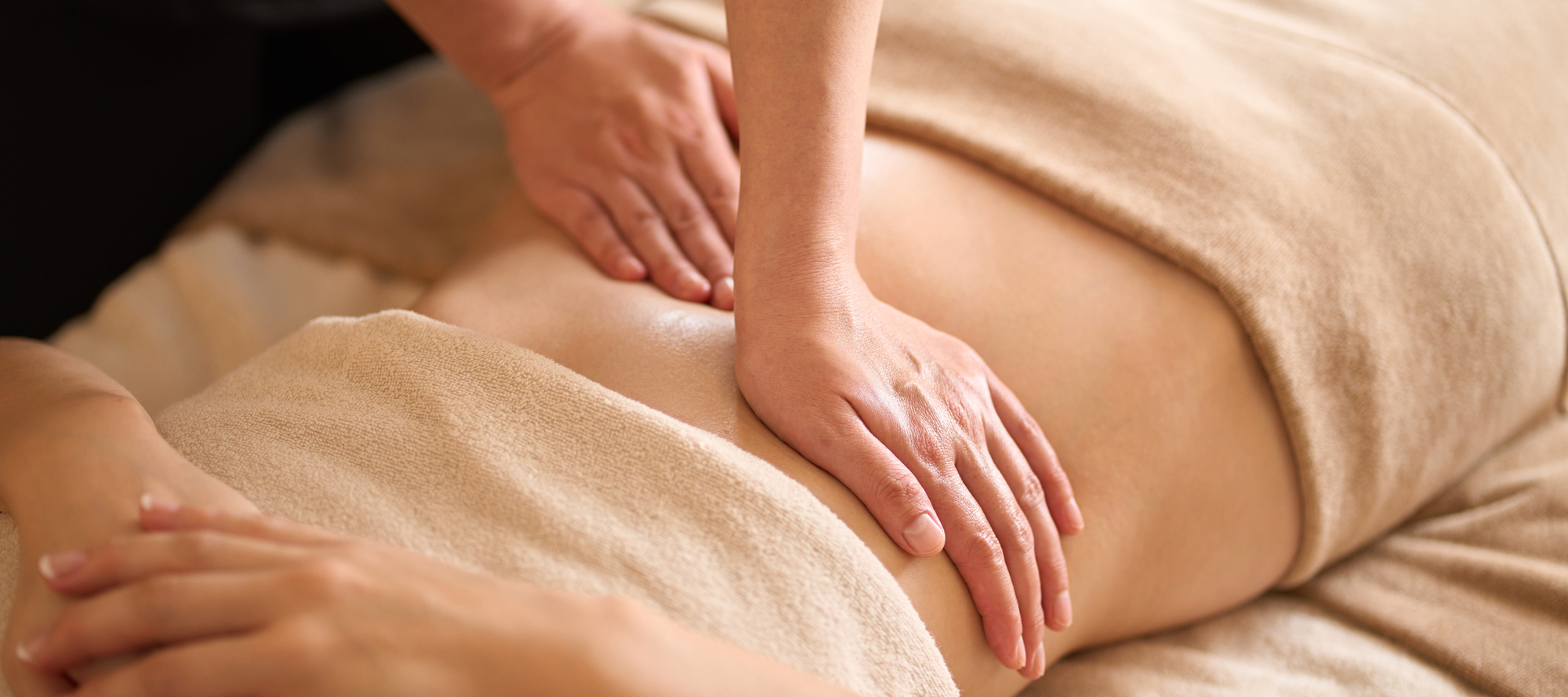
If your breasts stay rock-hard, lumpy, or painful despite feeding often, a hands-on lactation massage can help. A trained therapist uses gentle techniques to move milk along the ducts, soften firm areas, and relieve blocked spots you cannot reach on your own.
Mums often book a session when they:
- Feel a hard, tender lump that will not clear (a possible blocked duct)
- Have breasts too firm for the baby to latch
- Are switching feeding patterns or weaning and feel uncomfortably full
- Want to stop a blocked duct from turning into mastitis
Massage is gentle and works alongside breastfeeding; it does not replace it. Many mums feel noticeably softer and more comfortable after a single session, and learn techniques they can use again at home. If your breasts are still hard and painful after 48 hours, if a lump will not shift, or if you are dreading feeds because of the pain, that is a good time to get hands-on help rather than pushing through alone.
Red flags: when to see a doctor
Engorgement itself is not dangerous, but it can sometimes lead to mastitis, an infection of the breast. See a doctor promptly if you have:
- A red, hot, painful patch on one breast
- Fever, chills, or body aches like the flu
- Pain that is getting worse rather than better
- A lump that does not soften after feeding or massage
Mastitis often needs medical treatment, so do not wait it out.
How Lao Niang TCM supports breastfeeding mums
At Lao Niang TCM, our therapists combine gentle breast massage with traditional TCM techniques to ease engorgement, clear blocked ducts, and keep your milk flowing comfortably. We work around your feeding schedule and your baby, in a calm and private setting. If you are struggling, our lactation massage service is here to help you feel better quickly.
Frequently asked questions
How long does engorgement last?
For most mums, the worst of it passes within 24 to 48 hours once milk is being removed regularly. Mild fullness can come and go in the early weeks as your supply settles.
Should I pump to relieve engorgement?
You can hand-express or pump a small amount for comfort, especially to soften the nipple before a feed. Just avoid fully emptying the breast every time, as that tells your body to make more milk.
Can I still breastfeed with engorgement?
Yes, and you should. Frequent feeding is the best treatment. If latching is hard because the breast is too firm, soften it first by hand-expressing a little milk.
Will engorgement reduce my milk supply?
Not if you keep feeding or expressing regularly. Supply problems come from milk sitting in the breast for too long, so the fix is the same: remove milk often and gently.
How is engorgement different from normal fullness?
Normal fullness feels heavy but comfortable, and your baby can still latch easily. Engorgement is tight, hard, and sore, and can make latching difficult.
Is breast massage safe while breastfeeding?
Yes. Gentle, professional lactation massage is safe and is designed to support breastfeeding, not interrupt it.
Feeling uncomfortably full or blocked? Book a lactation massage with our team and get relief sooner.