
What “Advanced Maternal Age” Actually Means
The medical threshold of 35 isn’t arbitrary. After this age, egg quantity and quality decline more noticeably. The ovarian reserve decreases, chromosomal abnormalities in eggs become more common, and hormonal shifts (particularly in FSH and AMH levels) can affect ovulation. Conception may take longer, and the risk of miscarriage increases. According to research published in Human Reproduction, women aged 35 to 39 have a measurably lower monthly fecundity rate compared to those in their late 20s, though many still conceive naturally or with minimal support. The American College of Obstetricians and Gynecologists (ACOG) notes that while age affects fertility, many women over 35 go on to have healthy pregnancies. “Takes longer” is not the same as “impossible.” The key is working with your body, not against it.How TCM Views Fertility After 35
For women facing advanced maternal age, TCM doesn’t view the body through a purely hormonal lens. Instead, it looks at the whole system: the flow of vital energy (Qi), blood nourishment, and the strength of specific organ systems. In TCM, fertility is closely tied to the Kidney system. This is not just the physical organ, but a broader concept that governs reproductive energy, hormonal balance, and the ageing process. As women age, Kidney Qi and Kidney Essence (Jing) naturally decline. This isn’t a flaw; it’s a natural part of life. But it does mean the body may need more support. Common TCM patterns seen in women over 35 include:- Kidney Yin Deficiency: symptoms like night sweats, dry skin, irregular cycles, or poor egg quality
- Kidney Yang Deficiency: cold hands and feet, fatigue, low libido, slow metabolism
- Blood Deficiency: pale complexion, light or short periods, poor uterine lining
- Liver Qi Stagnation: stress-related cycle irregularities, PMS, emotional tension
TCM Treatments for Fertility Over 35
Acupuncture for Fertility
For women over 35, especially those preparing for or going through IVF, acupuncture is often used to support blood flow to the uterus and ovaries, regulate hormonal signalling, and calm the nervous system. A 2025 systematic review and meta-analysis found that acupuncture as an adjunct therapy can improve clinical and ongoing pregnancy rates in women undergoing IVF. For advanced maternal age, regular sessions (typically weekly over 3 to 6 months) are often recommended to support ovarian blood flow, endometrial receptivity, and stress reduction.Herbal Medicine
Chinese herbal medicine is prescribed based on your individual pattern diagnosis. Herbs commonly used when supporting fertility after 35 include:- Shu Di Huang (Rehmannia): nourishes Kidney Yin and Blood
- Tu Si Zi (Cuscuta seed): tonifies Kidney Yang, supports reproductive function
- Dang Gui (Angelica root): moves and nourishes Blood, regulates menstruation
- Bai Shao (White peony): supports Liver function, eases hormonal fluctuations
Lifestyle and Dietary Guidance
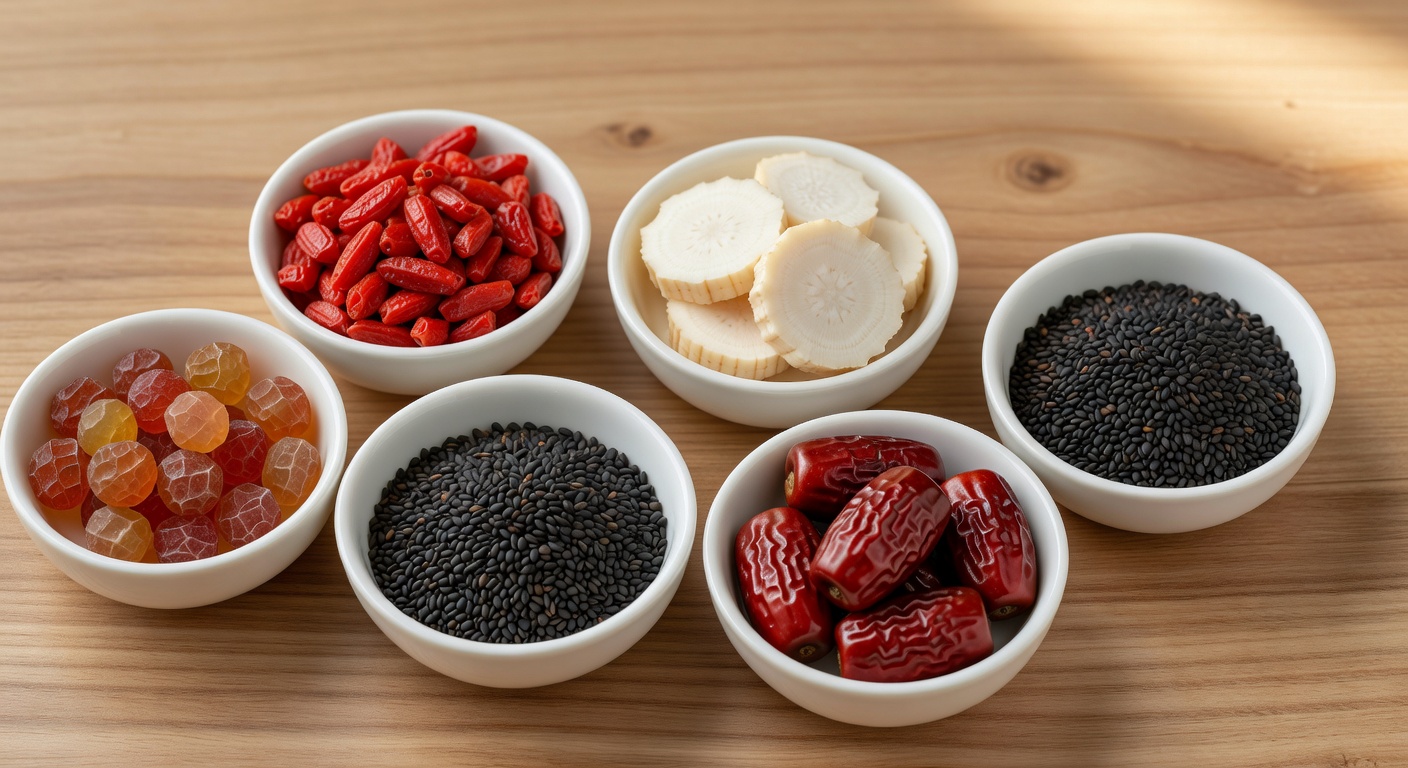
Your TCM physician may also provide guidance on foods that support your pattern. Warming foods for Yang deficiency, blood-nourishing foods like black sesame and dates for Blood deficiency, and stress management techniques to support Liver Qi are all commonly recommended. Small, consistent changes in diet and lifestyle compound over months of trying to conceive.
TCM and IVF: Better Together
One of the most common questions we hear: Can I do TCM alongside my IVF cycle, Yes, and many fertility specialists in Singapore are supportive of this approach, provided your TCM physician is experienced in working alongside Western fertility treatment. For patients over 35, TCM alongside IVF typically focuses on:- Pre-cycle preparation (3 to 6 months): Building egg quality and uterine lining before stimulation begins
- During stimulation: Supporting the body’s response, reducing side effects, managing stress
- Around embryo transfer: Acupuncture on the day of transfer has been studied for improving implantation rates
- Post-transfer: Warmth, rest, and herbs to support early implantation
What to Expect at Your First Consultation
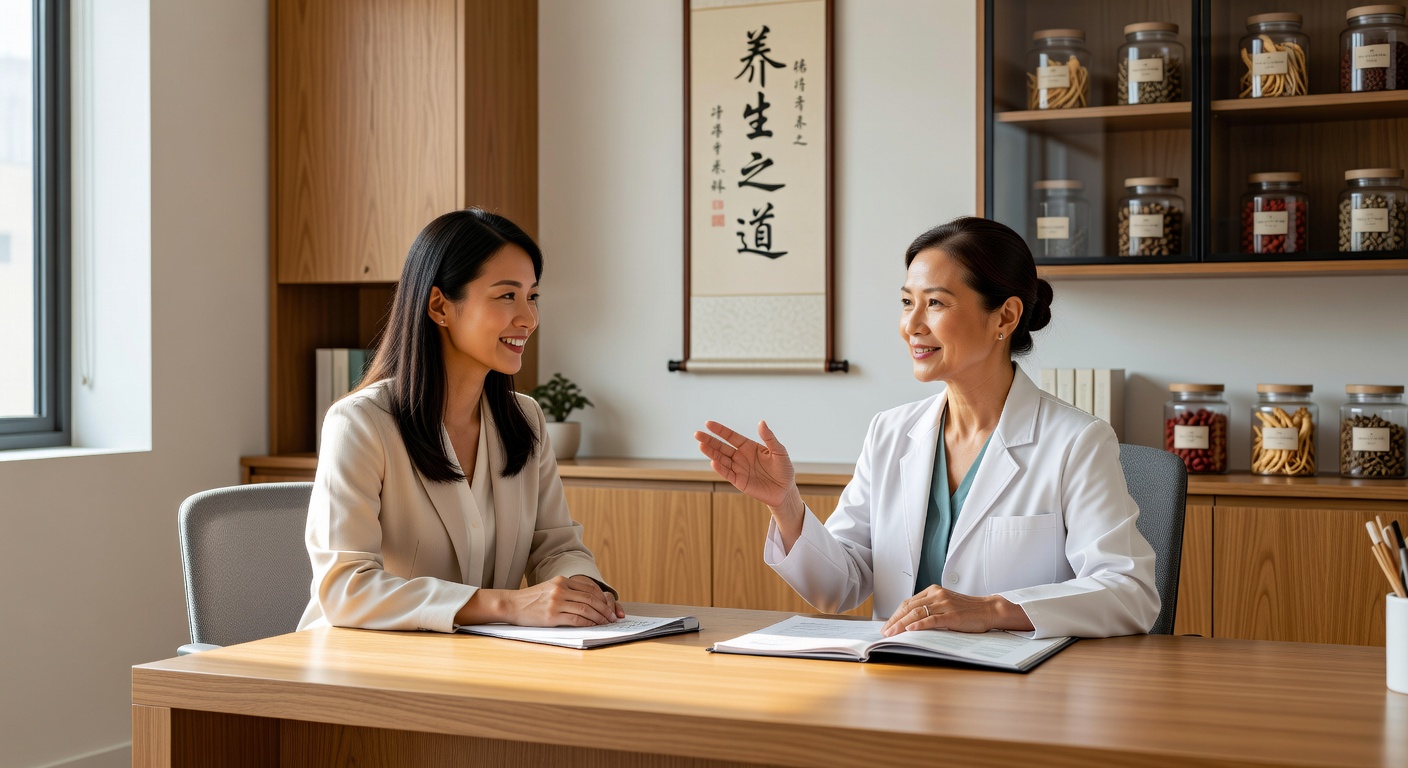
Your first visit at Lao Niang TCM is a comprehensive assessment, not a quick prescription. Your physician will ask about your cycle history, overall health, lifestyle, stress levels, and any Western fertility results you’ve received (AMH, FSH, antral follicle count, etc.). From there, a treatment plan is developed, typically combining acupuncture and herbal medicine, with a review point at 4 to 6 weeks. Most women over 35 see us for 3 to 6 months before conception. Consistency matters more than speed.Frequently Asked Questions
These questions focus on trying to conceive after 35 / advanced maternal age. For general programme details (what is included, typical couple timelines, first visit), see TCM fertility support.
Can TCM really improve egg quality after 35,
TCM cannot reverse biological ageing, but it can support the conditions under which healthier eggs are more likely to develop, circulation to the ovaries, stress load, and overall pattern balance through acupuncture and prescribed herbs. Results vary by individual; honest care never promises a specific AMH or egg-count number.
How long before changes show when trying to conceive over 35,
One cycle is one opportunity. Follicles mature over roughly 90 days, so most physicians think in 3 to 6 cycles rather than weeks. If you are planning IVF retrieval, many start supportive care at least a few months beforehand, your timeline should be set in consult, not from a generic package.
Is TCM safe if I am already on fertility medications,
Often yes, but only when both your TCM physician and gynaecologist or fertility specialist know the full list. Some herbs are adjusted or paused around certain medications. Always disclose prescriptions and cycle protocols before herbs are issued.
Will TCM interfere with my IVF protocol after 35,
Not when properly coordinated. Acupuncture is generally usable through a cycle; herbs are timed (and sometimes paused) around stimulation and transfer. For phase-by-phase detail, use our TCM alongside IVF guide, and keep both clinics aligned.
How is TCM different from fertility supplements I can buy online,
Supplements are static products. TCM care is individualised, prescribed, and reviewed against your pattern, age-related concerns, and labs. That difference matters more after 35, when guesswork and delay are costlier.