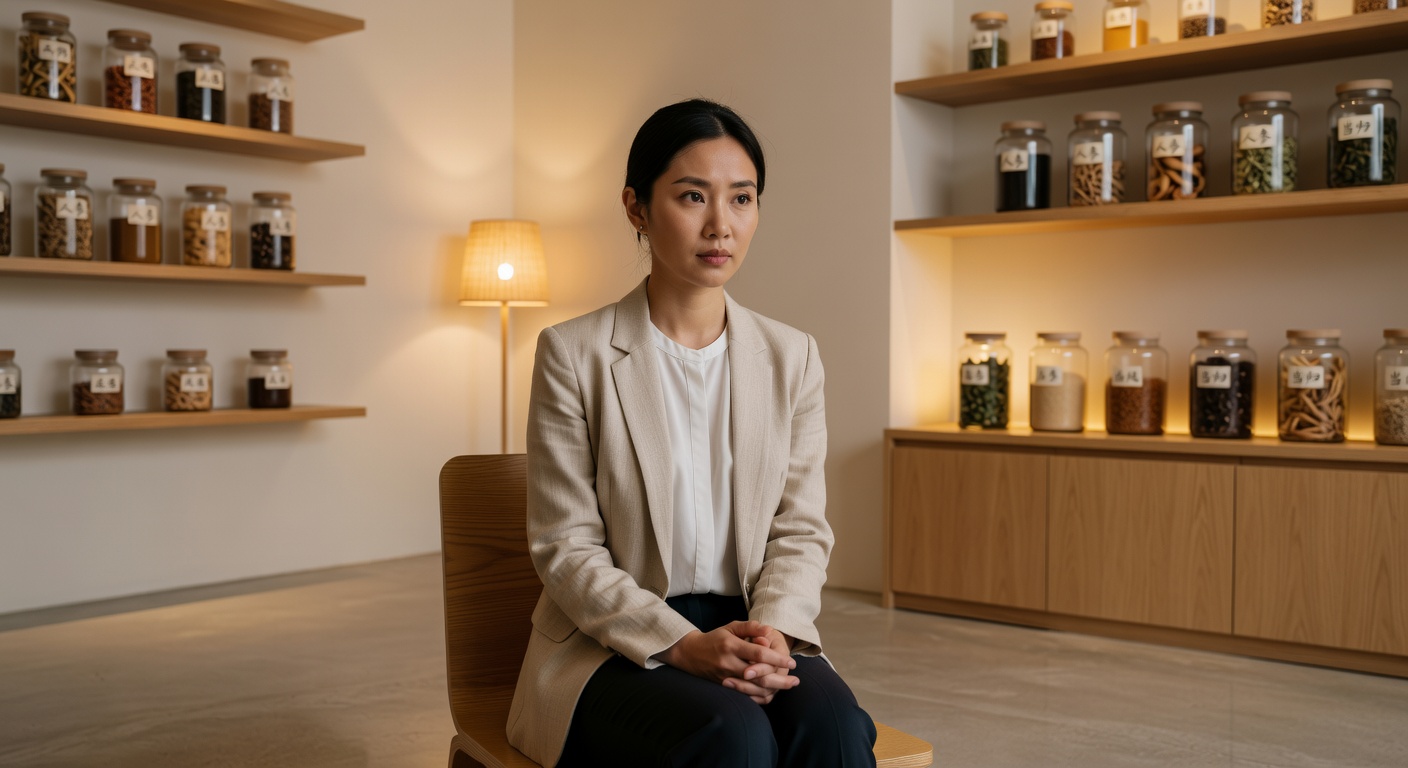


When couples in Singapore struggle to conceive, the assumption is almost always the same: it must be a women’s issue. But the data tells a different story. Male factor infertility contributes to roughly 40-50% of all cases. If you are a husband who has been quietly wondering whether the problem might be on your side, you are not alone, and this is a male fertility guide for Singapore husbands, not a generic “best fertility clinic” overview.
Why Singapore Men Avoid Getting Checked
Let’s be honest about the elephant in the room. In many Asian households, fertility is treated as a private matter, and male infertility carries a particular kind of stigma. There is an unspoken link between fertility and masculinity that makes the topic uncomfortable for men to bring up, even with their own wives.
Some men avoid a semen analysis because they find the process embarrassing. Others convince themselves that because they feel healthy, the issue cannot possibly be with them. In a culture where men are expected to be stoic and solution-oriented, admitting vulnerability around fertility feels like a loss of face.
This avoidance costs couples time. And when it comes to fertility, time is the resource you cannot get back.
If your wife has already been through multiple check-ups, blood tests, and cycle tracking while you have not done a basic semen analysis, it is worth asking yourself why. Getting checked is not a sign of weakness. It is the most practical thing you can do to move forward as a team.
How a TCM Physician Diagnoses Male Fertility Issues
A TCM consultation for male fertility looks different from a Western physical. There are no awkward gowns or cold examination rooms. The physician uses classical methods to understand the internal patterns that affect sperm production.
Tongue and Pulse Diagnosis for Men
Your physician will examine your tongue carefully, colour, coating, shape, and moisture. A pale, swollen tongue with teeth marks along the edges might suggest Qi deficiency, while a dark or purplish tongue could indicate blood stasis, both of which affect reproductive function.
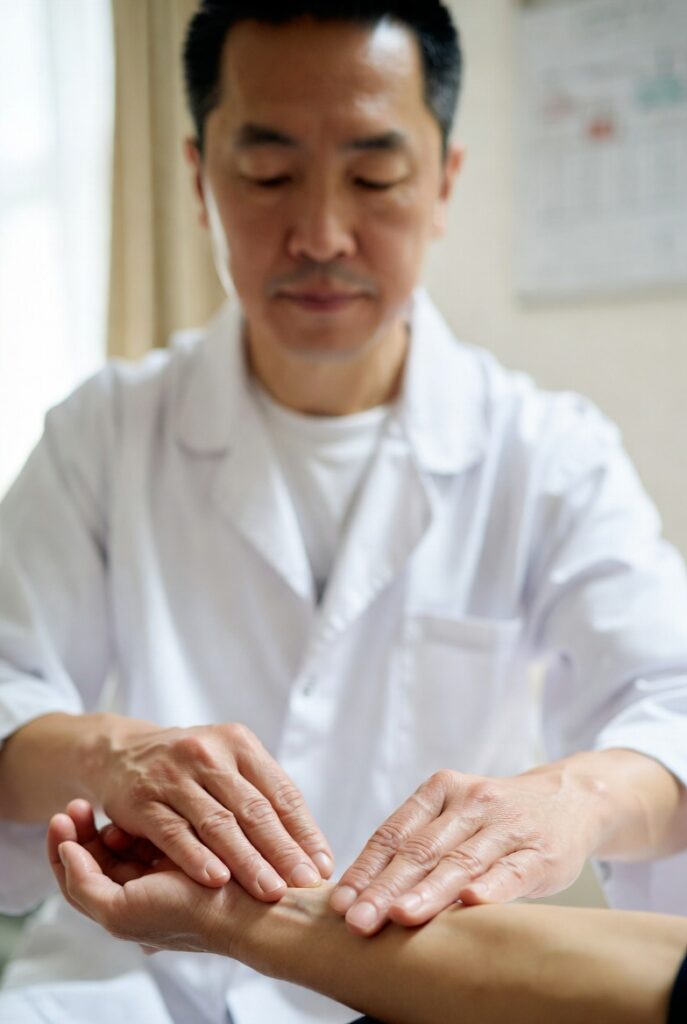
Pulse diagnosis involves three fingers along the wrist at different positions and depths. For male fertility, the physician pays close attention to the Kidney pulse (rear position on both wrists), since the Kidney system in TCM governs reproductive essence, or “Jing.”
Questions Your Physician Will Ask
Beyond tongue and pulse, expect pointed questions about daily habits, targeted at patterns that affect sperm production:
- How many hours do you sit at a desk each day,
- Do you place your laptop directly on your lap,
- How often do you drink alcohol, and how much,
- What time do you typically eat your last meal,
- How many cups of kopi do you drink daily,
- Do you prefer hot showers or baths,
- How would you describe your stress levels at work,
- Do you wake up to urinate at night,
- How is your energy in the afternoon, specifically between 3pm and 5pm (the Kidney meridian’s peak hours),
These answers help identify your TCM pattern: Kidney Yang deficiency (fatigue, cold limbs, low libido), Kidney Yin deficiency (night sweats, restlessness, heat in the palms), or Damp-Heat in the lower Jiao (inflammation, infections, or sluggish sperm motility).
Lifestyle Factors That Affect Male Fertility in Singapore
Singapore’s work culture and urban lifestyle create a specific set of challenges for male fertility.
The Office Worker Problem
If you spend 10 to 12 hours a day seated, CBD office or work-from-home, you are generating sustained heat in the groin area. The testes sit outside the body for a reason: sperm production requires a temperature about 2-4°C below core body temperature. Prolonged sitting, especially in non-breathable chairs, works against this. Add a laptop on your lap during evening Netflix, and you compound the problem.
Kopi Culture, Late Suppers, and Alcohol
Common local habits can quietly undermine fertility:
- Kopi: Moderate caffeine (1-2 cups) is generally fine, but condensed milk adds unnecessary sugar. More than 3-4 cups daily may affect sperm motility.
- Late suppers: Zi char or supper at 11pm with midnight sleep does not give your digestive system enough rest. In TCM this creates Dampness that can accumulate in the lower body and affect reproductive function.
- Alcohol: Regular drinking, even “social” amounts 3-4 times per week, can reduce testosterone and impair sperm quality. Beer is particularly problematic in TCM terms because it is considered Cold and Damp.
Heat Exposure
Beyond laptops, other common heat sources matter for men:
- Hot showers or baths (warm is fine, hot is not)
- Tight-fitting underwear or skinny jeans
- Frequent use of saunas or steam rooms
- Cycling for extended periods
Small adjustments here can make a meaningful difference over a full spermatogenesis cycle.
How TCM Treatment Differs for Men vs Women
If your wife has undergone TCM fertility treatment, you might assume your experience will be similar. It will not be.
Different Herbs, Different Focus
Women’s TCM fertility care typically centres on regulating the menstrual cycle, nourishing Blood, and supporting the uterine lining. Men’s treatment focuses on strengthening Kidney Jing (reproductive essence), improving Qi circulation to the lower body, and clearing pathological factors like Damp-Heat.
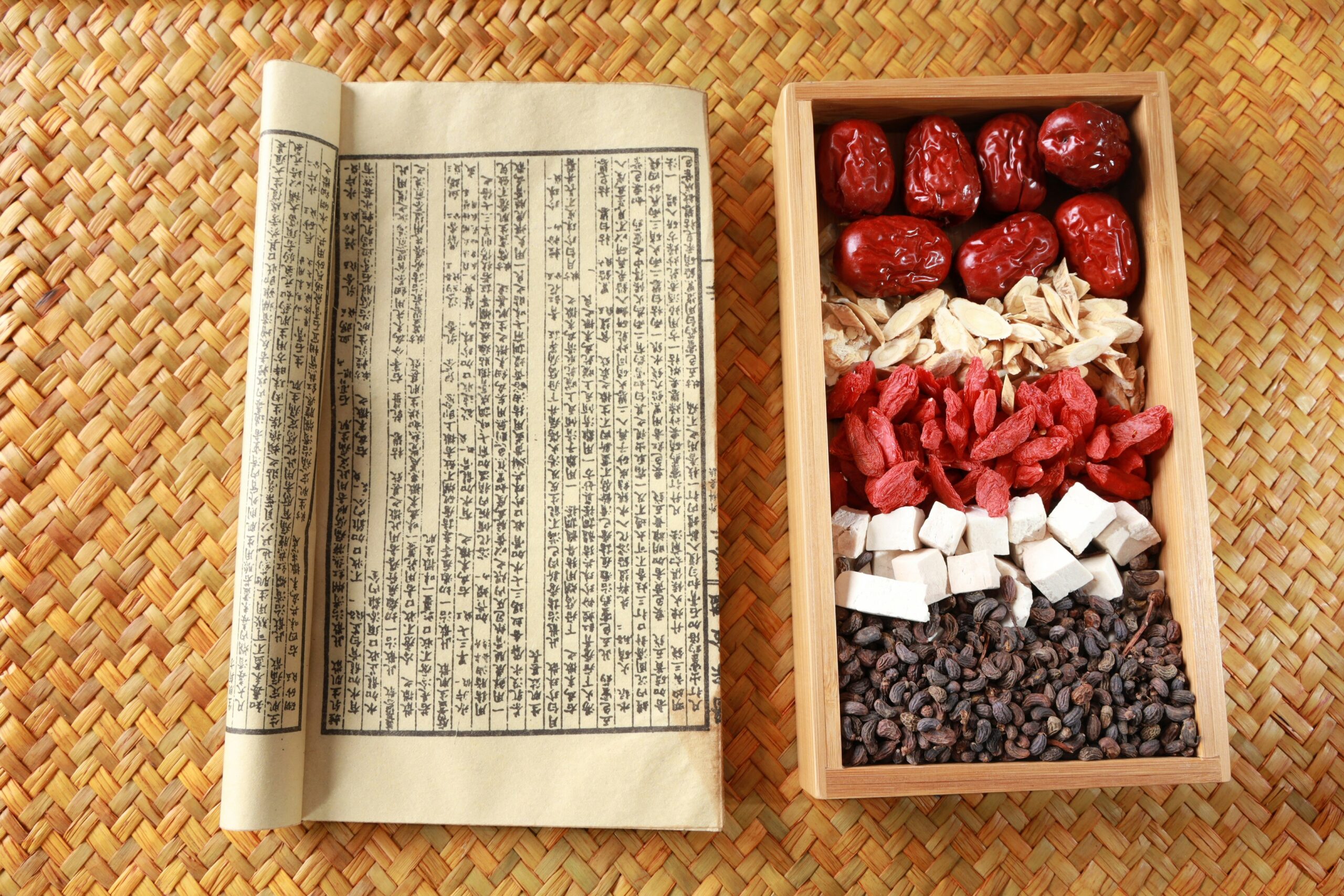
Herbal formulas for men often include ingredients from Wu Zi Yan Zong Wan (Five Seeds Progeny Pill), a classical formula supported by meta-analyses of randomized trials showing improvements in sperm concentration, motility, and morphology when used as adjuvant treatment. Pattern matters: Kidney Yang deficiency receives warming, tonifying herbs; Damp-Heat gets clearing, draining formulas instead.
Different Acupuncture Points
Acupuncture for male fertility targets Kidney, Liver, and Spleen meridians, with attention to the lower abdomen, lower back, and legs. Points such as Guanyuan (CV4), Qihai (CV6), and Zusanli (ST36) are commonly used; the exact combination depends on your diagnosis. Men who expect sharp pain usually feel a dull, heavy sensation or mild tingling. Sessions typically last 20-30 minutes.
Different Timeline for Results
Sperm cells take approximately 72-76 days to mature fully, roughly 3 months, one complete spermatogenesis cycle. Unlike women’s fertility treatment, which often follows monthly cycles, improvements in sperm quality from TCM will not show on a semen analysis until at least 3 months of consistent treatment. Patience is not optional; it is built into the biology.
What a Male Fertility Treatment Plan Typically Involves
Male plans are organised around that ~3-month spermatogenesis cycle, not a shared couples programme calendar copied from a service overview.
After diagnosis (tongue, pulse, and the lifestyle patterns above), most men start daily herbal medicine, usually granules or capsules, plus weekly or biweekly acupuncture. Formulas adjust as your pulse and tongue change. Many men notice better energy, sleep, or digestion before fertility-specific lab numbers shift; those general improvements still signal that the underlying pattern is moving.
Around weeks 9 – 12, the first generation of sperm produced under treatment is maturing, a natural checkpoint for a follow-up semen analysis. Some men improve within one cycle; others need closer to six months if baseline numbers were low or several factors stack (heat, alcohol, stress, Damp-Heat). Physician Chen Ying Chu (Cora), Council Member of the Singapore Chinese Physicians’ Association and Director & Mentor at the Singapore College of Traditional Chinese Medicine, notes that men’s fertility patterns are often more straightforward to identify than women’s, but they still require consistency to resolve.
When to Combine TCM with Western Fertility Testing
TCM and Western medicine are not competing approaches. A sensible husband uses both.
Before starting TCM treatment, get a baseline semen analysis, count, motility, morphology, and volume. Without this, you are guessing.
Consider hormone panels if results show significant abnormalities. Testosterone, FSH, LH, and prolactin can reveal issues that inform both Western and TCM strategies.
After 3 months of TCM treatment, repeat the semen analysis so progress is measured on numbers, not how you feel alone.
If your wife is undergoing IVF or IUI, your TCM plan can run in parallel. Improving sperm quality before a procedure can improve outcomes for both of you. For joint pathways, see couples TCM fertility support.
What You Can Do at Home Alongside TCM Treatment
Your physician handles the herbs and acupuncture. Here is what you handle:
- Switch to boxer briefs or loose underwear. Give your body the temperature regulation it needs.
- Move your laptop to a desk. Every single time.
- Cut back to 1-2 cups of kopi daily. Switch to kopi-o (black) if possible to reduce sugar.
- Eat dinner by 8pm. Let your digestive system rest before sleep.
- Reduce alcohol to once a week or less. Temporary abstinence gives the best results when you are serious.
- Take a 20-minute walk after dinner. This promotes Qi circulation in the lower body without generating excessive heat.
- Sleep before 11pm. In TCM, consistent late nights deplete the Kidney system over time.
- Manage stress actively. Chronic stress directly suppresses reproductive hormones.
None of these are dramatic lifestyle overhauls. They are practical adjustments that support what TCM treatment is doing internally.
FAQ: Male Fertility & TCM
These questions are specific to husbands and male factor care. For general programme questions (what is included, how long couples usually commit, first-visit flow), see our TCM fertility support page.
How much does TCM male fertility treatment cost in Singapore,
Costs vary by plan, but a typical consultation plus acupuncture session often ranges from about to 0. Custom herbal formulas are usually extra (often roughly to 0 per week). Many men budget across 3 to 6 months because sperm parameters are reassessed after about one spermatogenesis cycle.
Can TCM help with low sperm motility specifically,
Yes. Low motility is one of the most common male issues addressed in clinic. In TCM terms it often relates to Kidney Yang deficiency or Qi stagnation. Care aims to warm and support the Kidney system and improve circulation; motility changes are typically reviewed after about 3 months alongside a repeat semen analysis when appropriate.
Do I need to tell my wife I am doing TCM treatment,
That is personal, but openness usually helps. Fertility is shared work, and when both partners act on it the emotional load is lighter. Many men find that taking initiative on their own health strengthens the relationship.
Is TCM treatment uncomfortable for men,
Most men find it more straightforward than expected. Acupuncture uses fine sterile needles with minimal discomfort. Herbs are commonly granules or capsules (no home boiling required). The consult is a conversation, not a urology-style physical exam.
Can I do TCM treatment if I am also seeing a urologist,
Yes. TCM and Western urology often work well together. Tell both practitioners what has been prescribed so care stays coordinated, especially if you are also on medication or preparing for ART.
Take the First Step
If you have read this far, you are already more proactive than most. Male fertility is not something to leave to chance or assume will sort itself out.
Start with a semen analysis if you have not done one, then book a male-focused TCM consult so herbs and acupuncture target your pattern, not a one-size-fits-all couples package. Physician Chen Ying Chu (Cora) is registered with Singapore’s Ministry of Health and brings extensive clinical experience in reproductive health at Lao Niang TCM in Novena.
👉 Book a fertility consultation
Your wife does not have to do this alone. Neither do you.